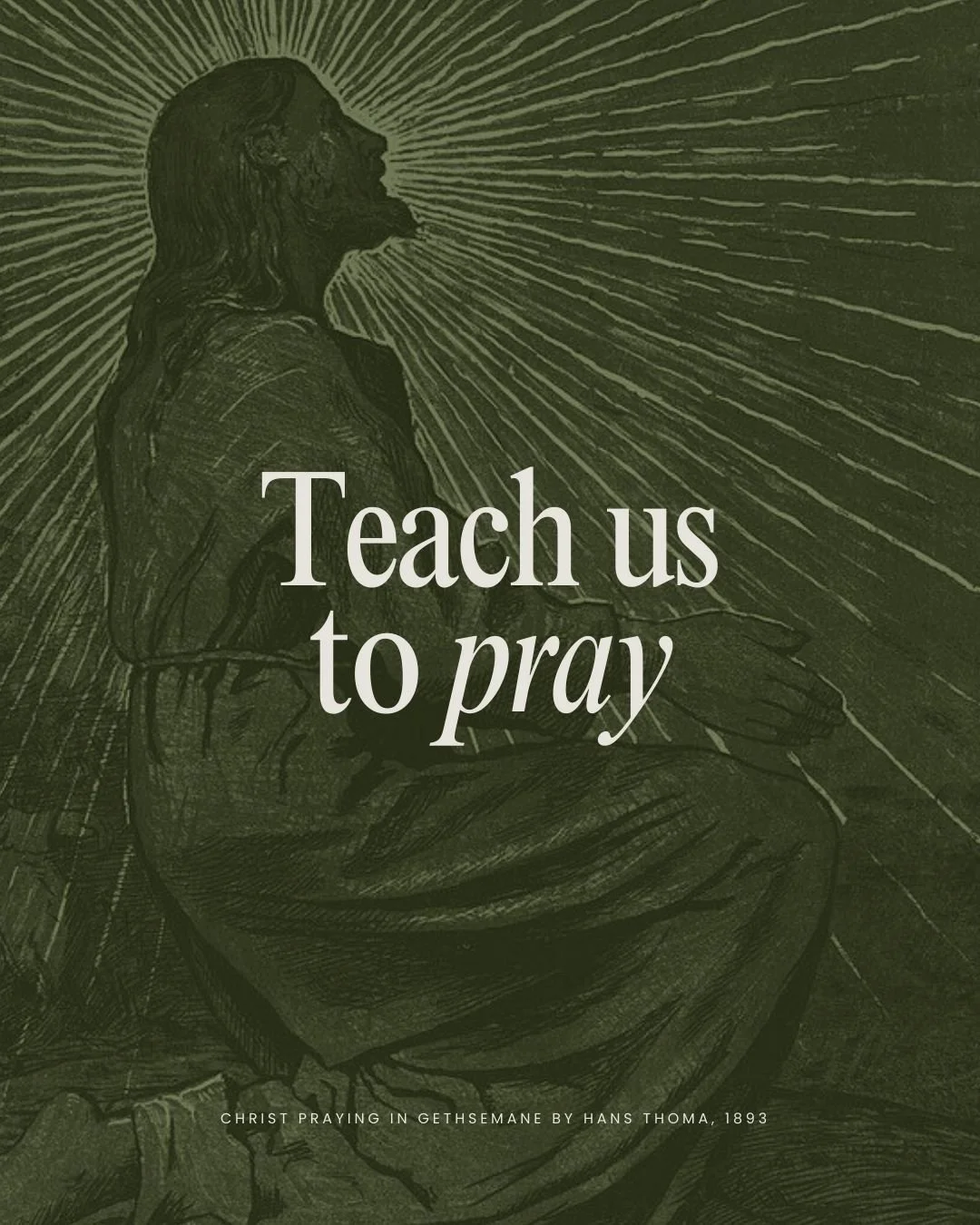
Teach Us to Pray
2000 years ago the disciples asked Jesus to teach them to pray, and 2000 years later, we’re still asking the same question. Our hope for this series is that you would discover something new about prayer– that you might be able to experience God in a new way.
In a world filled with constant noise, distraction, and internal pressure to stay busy, learning to listen can feel unfamiliar and uncomfortable. In Elijah’s story on Mount Horeb, God does not meet him in the wind, earthquake, or fire, but in the sound of sheer silence—a gentle reminder that God often speaks most clearly in stillness. Like Elijah, our own fears and inner narratives can grow so loud that we struggle to recognize God’s voice, even when He is near. Prayers of contemplation invite us to slow down, quiet the noise, and rediscover the reality that God is always speaking, gently calling us to rest, attend, and listen.
In a culture that often treats prayer as a transaction, Jesus invites us into something deeper: persistent prayer as a way of life. Drawing from Luke 11, scripture reframes persistence not as wearing God down, but as remaining with a loving Father who eagerly gives the Holy Spirit to his children. Persistent prayer is less about controlling outcomes and more about growing in intimacy, surrender, and attentiveness to God’s presence. As we keep asking, seeking, and knocking, we are formed into people who know God, trust his goodness, and live attuned to the Spirit.
In response to recent events in Minneapolis, we as a church consider what faithful Christian witness looks like in moments of fear, violence, and public unrest. Drawing from Scripture’s consistent call to love the foreigner, honor the image of God in every person, and resist evil with good, we explore the Christian’s relationship to the state and the limits of political authority under God. Rather than offering policy prescriptions, we are called to courage shaped by Jesus—loving neighbors without exception, naming injustice with humility, and engaging the world through prayer, discernment, and suffering love.
We often confuse gratitude with positivity, treating thanksgiving as something to perform rather than a way of truthfully relating to God. In Luke 17, Jesus meets ten men in their suffering, and one returns in thanksgiving—not because everything is resolved, but because he recognizes who Jesus is. This return reveals that thanksgiving is more than acknowledgment of a gift; it is worship that trusts God’s presence even while healing is still unfolding. The invitation is not to deny pain, but to practice a gratitude that returns to God, holds suffering honestly, and receives the deeper wholeness Christ offers.