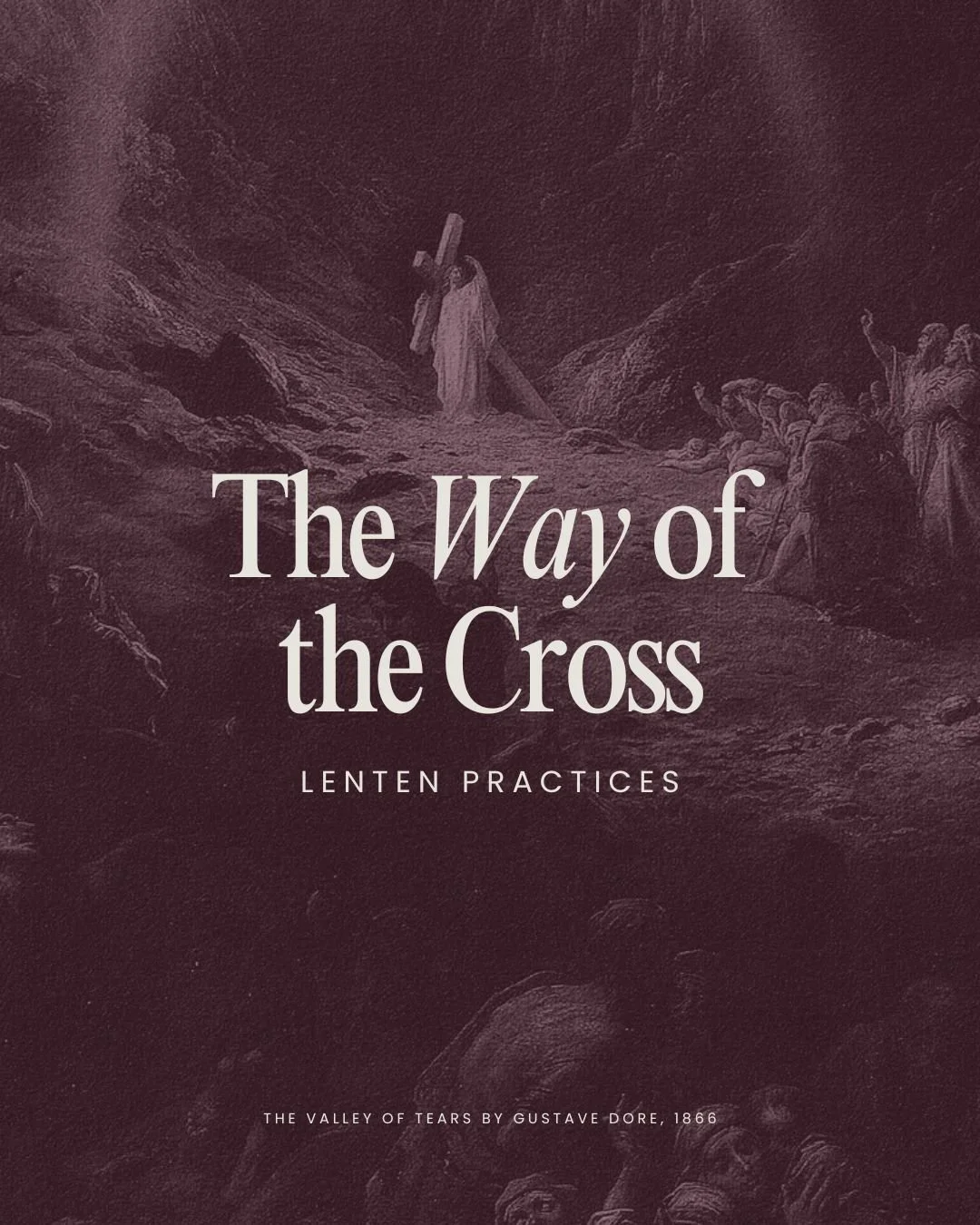
Lent: The Way of the Cross
We do not gather at the table of Jesus because we’re paragons of virtue, we gather that he might turn sinners into saints. And Lent is that annual invitation to recommit our lives to Jesus’ quiet and transformative work.
Rather than numbing our pain or hiding it behind polite spirituality, Scripture invites us to bring our grief, anger, and confusion honestly before God through the practice of lament. When pain is brought to speech in prayer, it no longer traps us in silence but becomes a pathway toward truth, compassion, and hope. Lament keeps our relationship with God alive in the middle of suffering, reminding us that the God who heard Jeremiah—and even Jesus on the cross—still hears our cries today.
In a culture where confession often feels shameful, unnecessary, or deeply private, Scripture invites us to see it differently. John reminds us that God is light, and that walking in the light means honestly acknowledging our sin rather than hiding or denying it. Far from being a doorway into shame, confession becomes the place where we experience Christ’s ongoing forgiveness, cleansing, and restored fellowship with God and one another.
During Lent, we are invited to confront the reality of sin—not merely as obvious wrongdoing, but as the subtle impulses and lies that distort our trust in God and neighbor. Reflecting on Jesus’ temptation in the wilderness, we explore how the enemy works primarily through deception, tempting us to distrust God, test God, or pursue good ends apart from God. Yet where humanity has failed, Jesus remains faithful, resisting temptation through trust in the Father and deep grounding in Scripture.
In a culture shaped by radical authenticity, naming sin can feel judgmental or outdated—but Scripture insists that something is deeply wrong in us and in the world. Sin is not merely rule-breaking; it is rebellion, soul-sickness, disordered desire, and corrupted culture—an inheritance from Adam that we cannot fix ourselves. Yet in Jesus, the new Adam, grace overcomes sin, offering not condemnation but transformation and a new life.