Mission: We are revealing the Kingdom of Jesus, together, in Kansas City.
“The city of Corinth was famous in two areas: for its culture, trade, and wealth, and for its wickedness. Corinth was one of the least likely places for church planting.”— Ayodeji Adewuya
REVEAL THE KINGDOM OF JESUS
"To the church of God in Corinth, to those sanctified in Christ Jesus and called to be his holy people, together with all those everywhere who call on the name of our Lord Jesus Christ—their Lord and ours: Grace and peace to you from God our Father and the Lord Jesus Christ. I always thank my God for you because of his grace given you in Christ Jesus. For in him you have been enriched in every way—with all kinds of speech and with all knowledge— God thus confirming our testimony about Christ among you. Therefore you do not lack any spiritual gift as you eagerly wait for our Lord Jesus Christ to be revealed. He will also keep you firm to the end, so that you will be blameless on the day of our Lord Jesus Christ. God is faithful, who has called you into fellowship with his Son, Jesus Christ our Lord."— 1 Corinthians 1:2–9
Jesus is central to our story, our lives, our thoughts, and our imagination.
“And what [Paul] wants the Corinthians to get hold of most of all is what it means to have Jesus at the middle of your story, your life, your thoughts, your imagination. If they can do that, all the other issues that rush to and fro through the letter will sort themselves out.”—N.T. Wright
We reveal Jesus’ kingdom by the way we live our lives. We are called to be holy people, or saints, set apart for God.
“Withdrawal from ordinary life but by a quality that marks them out.”—William Barclay
“Believers cleaned up by Jesus and set apart for a God-filled life.”—Eugene Peterson
We reveal the Kingdom of Jesus with our character: who we are and who we are becoming. This is not a call to perfection, but a life shaped by God’s grace.
There is a better way. Saints are not perfect, saviors, or mythic heroes, but ordinary people who find the courage to follow Jesus wherever he leads. We believe saints aren’t just a thing of the past. They are our future.
We are all revealers of God’s kingdom. We have the power to bring his Kingdom to bear here and now.
We want to become a community of everyday saints. This is how we reveal the kingdom of Jesus to the world around us.
TOGETHER
"To the church of God in Corinth, to those sanctified in Christ Jesus and called to be his holy people, together with all those everywhere who call on the name of our Lord Jesus Christ—their Lord and ours:"—1 Corinthians 1:2
Paul speaks to the collective body of believers, not just individuals. The church is both global and local: the church of God in Corinth is a local expression of a global community.
“1 Corinthians is partly an attempt by Paul to help the Corinthians see themselves as part of a larger entity—the people of God meeting in many different places. It was not enough in Paul’s mind to give lip service to the reality of the worldwide ekklēsia [a Greek word for church].”—Ben Witherington
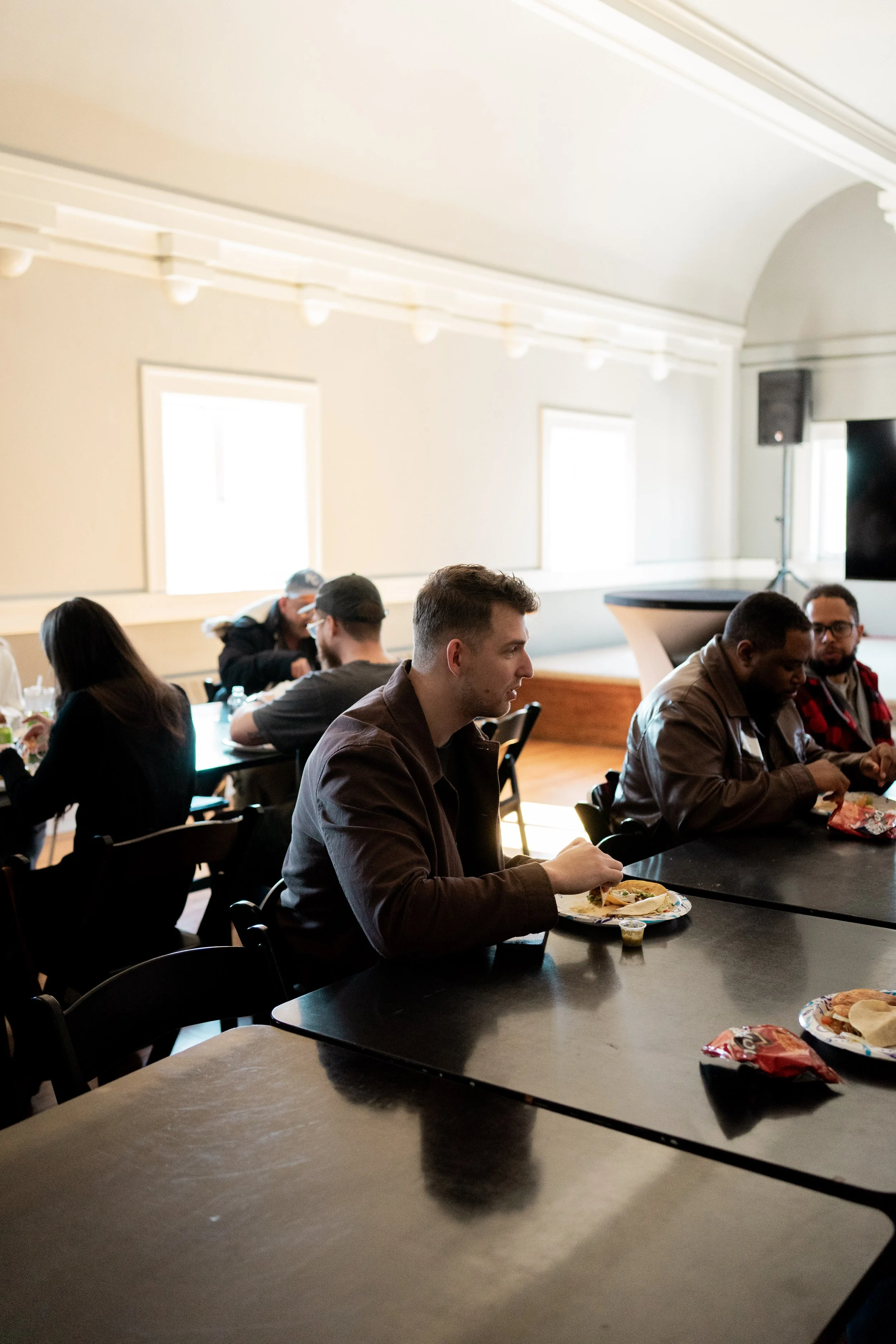
“One must have koinōnia [a Greek word for intimate community]. There must be something to share and some means of sharing. At the local level, Paul speaks of this entailing actual meeting together [later on in his letter in chapter 12] and sharing of the Lord’s Supper in the context of a meal and worship.”—Ben Witherington
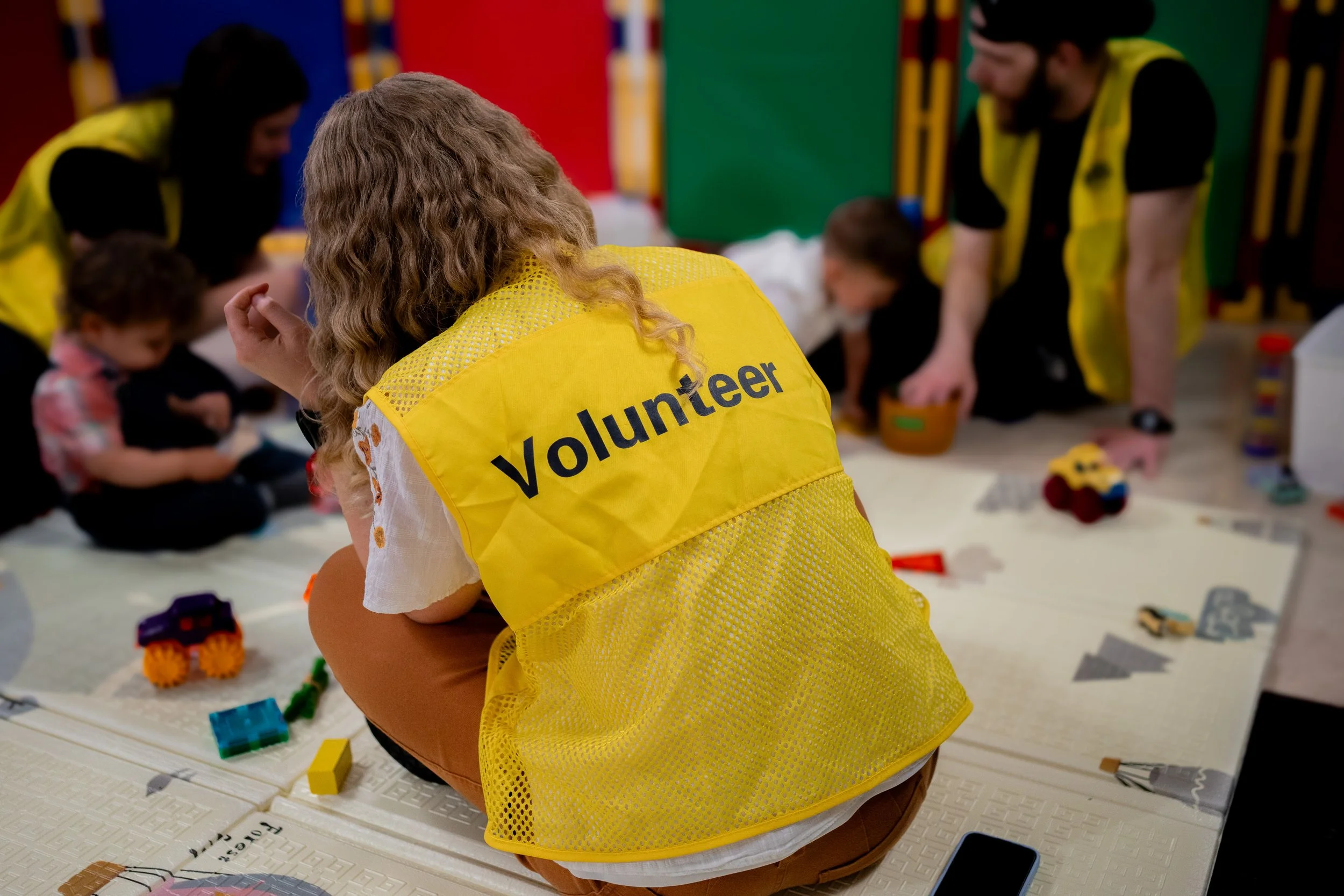
The local church is a necessary component of following Jesus, and each of us has a part to play in the sharing of a meal and worship. We move beyond passive observation into active, risky, and beautiful participation.
We move from consumption to commitment. We want to know our part to play in the broader story God is writing.
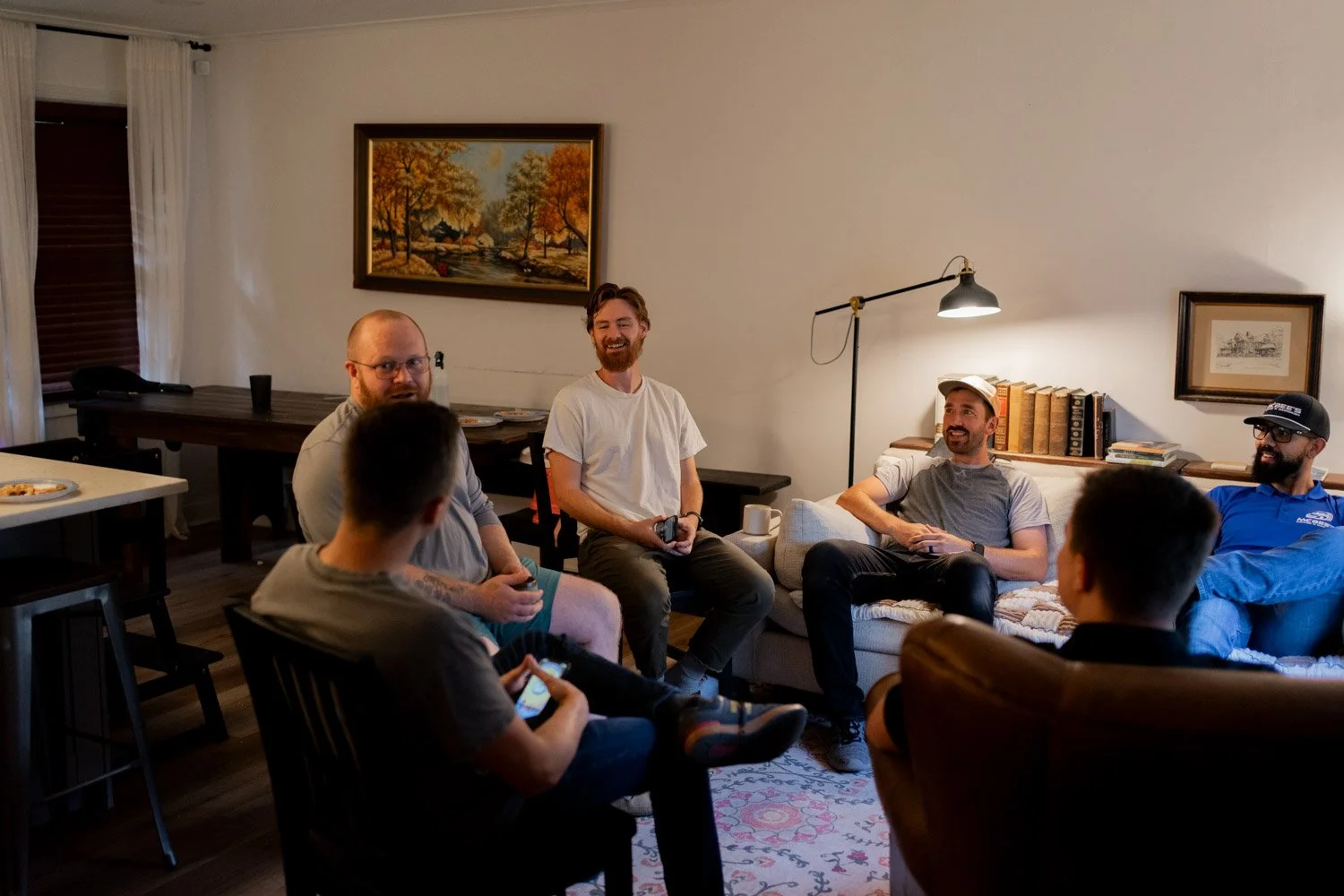
We commit to gathering in both Microchurch and on Sundays, serving one another and our broader community, and practicing generosity so that there is no needy person among us.
As Jesus’ followers, we are part of the Global Church and called to be part of a local community rooted among a people and a place.
IN CORINTH AS IT IS IN KANSAS CITY
"To the church of God in Corinth,"— 1 Corinthians 1:2
Like Corinth, Kansas City carries a history of slavery and repression, colonization, a libertine approach to sexuality, the entanglement of religion and civic life, divisions within the church, confusion around the Gospel, and chaotic approaches to worship.
The message of Paul and 1 Corinthians is: be faithful. Root yourself in the city. Don’t flee, seclude yourself, withdraw, or abandon ship when the journey gets tough. Don’t compromise under cultural pressure.
Lean in. Get in the mud with your neighbors. Get dirty for the sake of the Gospel and the revelation of Jesus’ kingdom here on earth.
"God is faithful who has called you into fellowship with his Son Jesus Christ or Lord."— 1 Corinthians 1:9
God is faithful, and he has called us into fellowship with his Son, Jesus Christ our Lord.
PLAY YOUR PART
“The powerful play [of life] goes on, and you may contribute a verse.”—Walt Whitman
We may not be able to change the whole world, but we can contribute a verse. Each of us has a specific and essential role to play in the kingdom of Jesus.
Play a part by following Jesus, committing to a local church community, gathering on Sundays and in Microchurch, growing in generosity, serving the church and the broader community of Kansas City, and faithfully tilling Kansas City’s soil for the Gospel to take root.
“Because I knew you I have been changed for good.”—Wicked
There are so many individuals who have played a part and continue to play a part in this community and this city.
Join this long list of stories, of people playing their part in revealing the kingdom of Jesus, together, in Kansas City.